If you want to stay in your current home for the next 10, 15, or 20 years, the question is not simply whether the house works for you today. It is whether it can continue working as your needs change. The best aging-in-place home modifications are often the ones that make everyday life easier now while reducing potential barriers later.
For a multi-storey home, that means looking at the whole journey through the house: from the front entrance and bathroom to bedrooms, storage, and movement between floors.
What Home Modifications Help With Aging in Place?
A good aging-in-place plan focuses on reducing unnecessary effort, improving safety, and keeping important areas of the home accessible.
Start by looking at these six areas.
1. Make Entrances Easier to Navigate
Consider how easy it would be to enter the home if stairs became difficult or you were temporarily using a walker or other mobility aid.
Possible improvements include:
- A step-free or low-threshold entrance where practical
- Secure handrails
- Better exterior lighting
- Non-slip walking surfaces
- Enough space around the doorway to move comfortably
An entrance that works for different mobility levels can also make daily life easier when carrying groceries, luggage, or other items into the house.
2. Create Safer, More User-Friendly Bathrooms
Bathrooms are worth addressing before accessibility becomes an urgent concern.
You may consider:
- A walk-in or low-threshold shower
- Grab bars or structural preparation for future grab bars
- Non-slip flooring
- Easy-to-reach storage
- Lever-style faucets
- Enough clear space to move comfortably
You do not necessarily need to redesign the entire bathroom immediately. Even small changes can make it easier to adapt later.
For a broader look at long-term planning, see our guide to future housing needs for seniors.
3. Look at Doorways and Everyday Circulation
A home can have accessible individual rooms and still be difficult to navigate if the spaces connecting them are too restrictive.
When renovating, consider wider doorways where appropriate, uncluttered hallways, and furniture layouts that leave comfortable pathways through frequently used areas.If wheelchair access may be needed in the future, make sure doorways and hallways provide enough width and turning space for someone to move through comfortably.
Lever-style door handles can also be easier to operate than traditional round knobs.
The goal is not to make your home feel institutional. Good accessible design can simply make the layout easier for everyone to use.
4. Improve Lighting and Reduce Trip Hazards
Small obstacles can become more frustrating over time.
Look around your home for:
- Loose rugs
- Uneven flooring transitions
- Poorly lit hallways
- Dark staircases
- Electrical cords crossing walking paths
- Clutter around frequently used areas
Better lighting, clear pathways, and appropriate flooring are relatively straightforward aging-in-place home modifications that can improve everyday usability without dramatically changing your home’s appearance.
5. Plan About How You Will Move Between Floors
This is where planning a multi-storey home becomes different from adapting a bungalow.
Grab bars, wider doors and improved lighting can make individual rooms easier to use, but they do not remove the need to move between floors.
If bedrooms are upstairs, laundry is on another level, or the main entrance is below the living area, stairs can eventually become the biggest barrier to using the whole home comfortably.
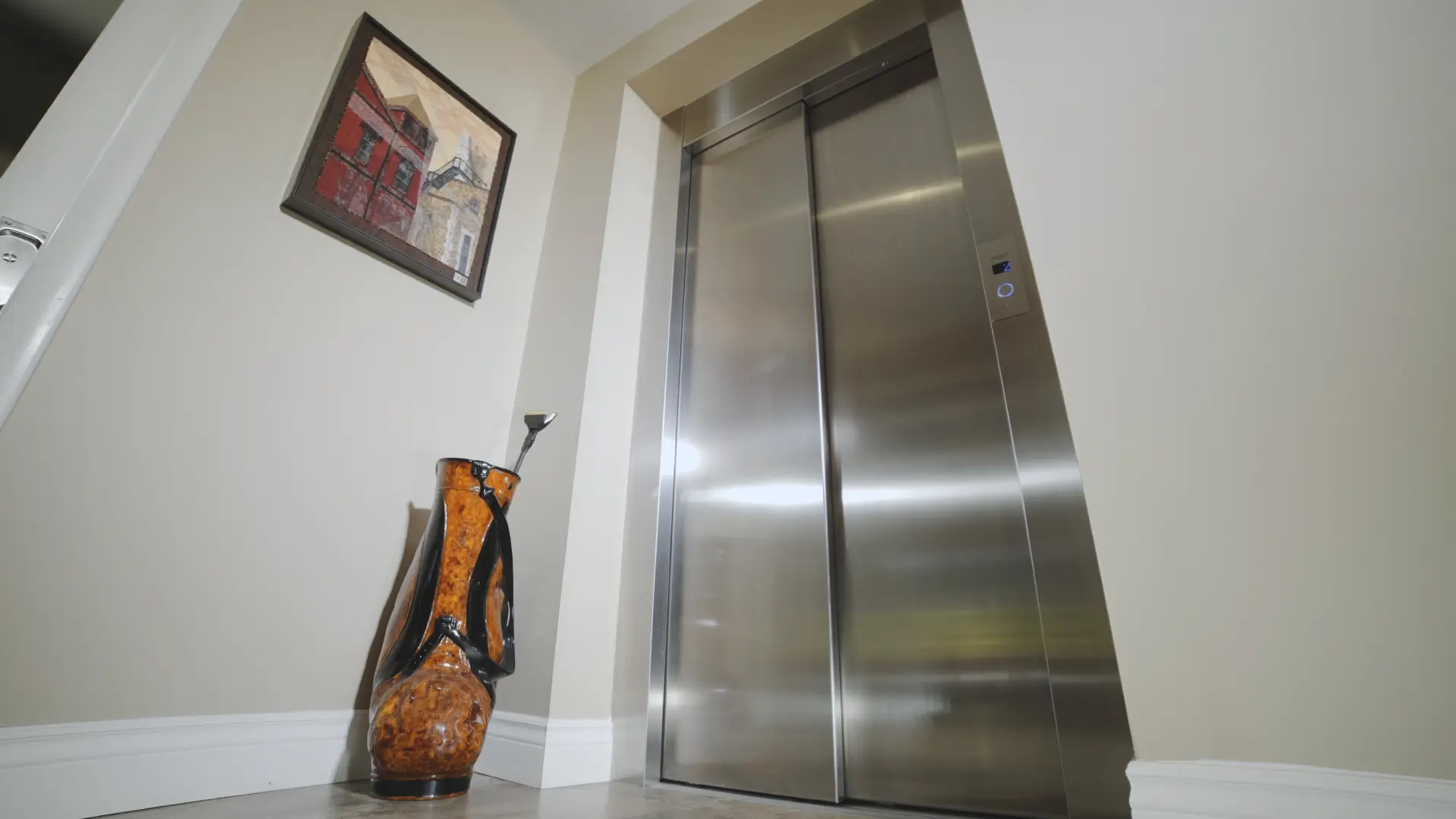
A stair lift may work for some households, while a residential elevator can offer more flexibility by providing access between full levels of the home.
A home elevator can help with:
- Moving between floors without relying on stairs
- Wheelchairs and other mobility aids, when appropriately configured
- Groceries and laundry
- Luggage and household items
- Multi-generational living
- Everyday convenience before mobility becomes a concern
That is why residential elevators can play an important role in aging-in-place planning. They help address the one challenge that smaller room-by-room modifications cannot fully solve: maintaining access to every level of the home.
Cambridge Elevating offers different home elevator models for varying home layouts, space requirements, and accessibility goals.
Can You Add a Home Elevator to an Existing House?
In many cases, yes.
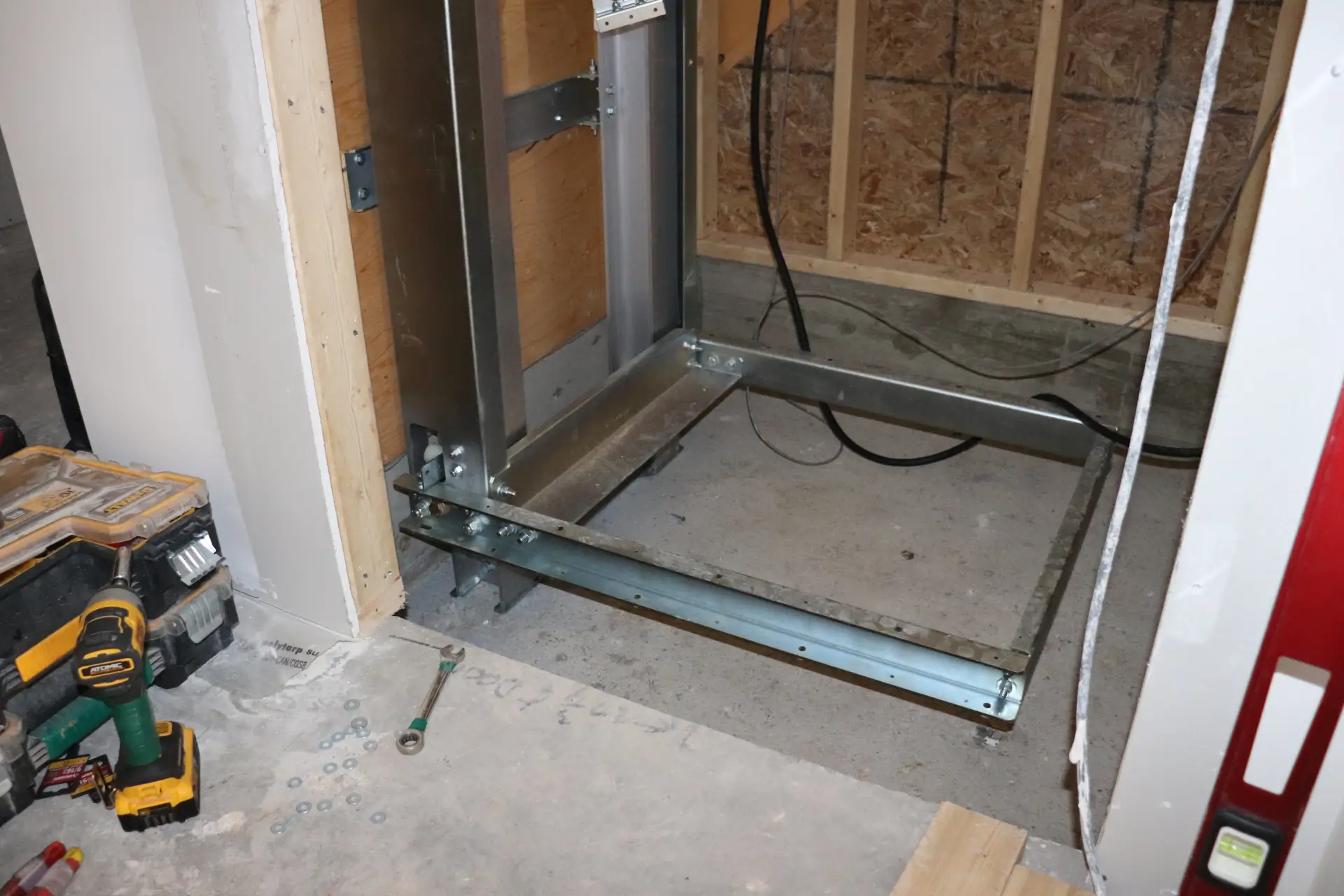
A home does not necessarily need to have been designed around an elevator from the beginning. Depending on the layout, an elevator may be integrated through an available area, a purpose-built hoistway, or a more compact solution.
If you are starting with an existing home, our guide to retrofitting a residential elevator explains some of the factors that can affect placement and installation.
Cambridge also offers shaftless homelifts for certain applications where homeowners are looking for a compact way to connect floors in an existing home.
The right option depends on the house itself, how many floors need to be served, and how you expect to use the elevator over time.
What Aging in Place Changes Should You Make First?
You do not need to complete every modification at once.
A useful way to prioritize is to ask:
- What makes daily life harder now?
- What would become difficult if my mobility changed?
- Which changes would be complicated to make in a hurry?
Simple improvements such as lighting, handles, and removing trip hazards can often happen gradually.
Larger projects, including bathroom renovations, doorway changes, and elevators, deserve more consideration because they affect the home’s layout and long-term use.
The goal is not to predict exactly what you will need 20 years from now. It is to give yourself more options.
Make the Whole Home Work for You
Aging in place is much easier when the home can adapt with you.
Thoughtful aging in place home modifications can keep individual spaces safer and easier to use, while a residential elevator can address one of the biggest challenges unique to a multi-storey home: maintaining comfortable access to every floor.
If staying in your home long term is part of your plan, explore Cambridge Elevating’s residential elevator options or speak with an authorized dealer about solutions that can fit your existing home and future needs.