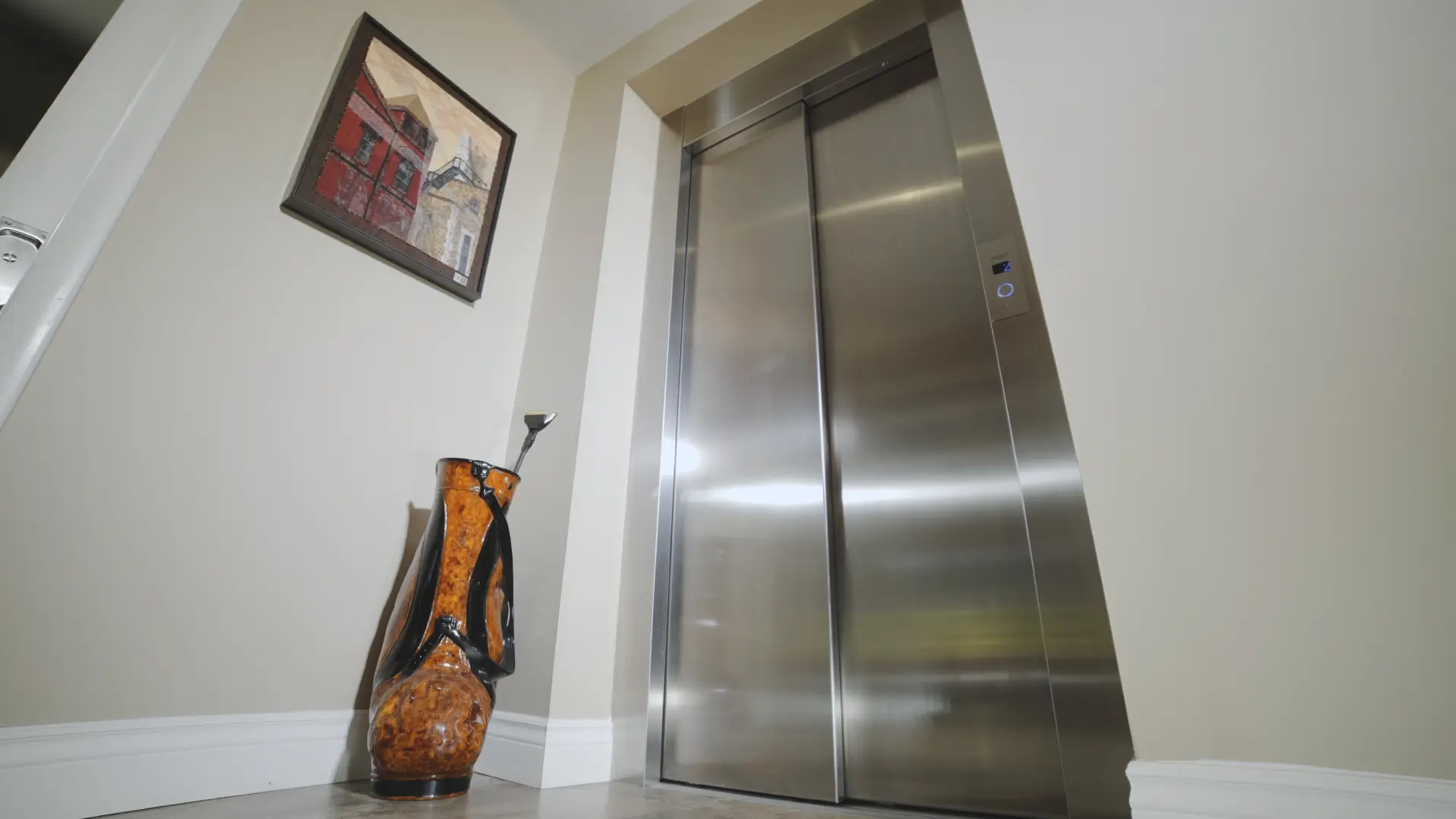
A home elevator is not something most homeowners expect to replace every few years. If you are considering one, it is reasonable to ask whether it will still be serving the home 10, 15, or even 20 years from now.
The short answer is: a quality, well-maintained residential elevator can provide decades of service. Its exact lifespan depends on the elevator system, how often it is used, the environment it operates in, and how consistently it is maintained.
Understanding home elevator lifespan is less about finding one expiry date and more about knowing what to expect as the system ages.
How Long Does a Home Elevator Typically Last?
A well-maintained residential elevator can often remain in service for 20 years or more, although individual components will definitely need attention before the entire elevator does.
A well-maintained residential elevator can provide decades of service, whether it uses a hydraulic or electric drive system. The exact lifespan depends on factors such as usage, maintenance, installation quality, and the condition of individual components over time.
That does not mean the entire elevator suddenly needs to be replaced after a certain number of years.
Door equipment, controls, batteries, seals, fixtures, or other components will be updated during the elevator’s life, allowing much of the original system to continue serving the home.
Do Hydraulic and Electric Home Elevators Have Different Lifespans?
Both hydraulic and electric residential elevators are designed for long-term use, and either can provide many years of reliable service when properly installed and maintained.
The main difference is what needs attention over time.
Hydraulic Elevators
Hydraulic systems use fluid pressure to move the elevator. Over their service life, technicians inspect or service components such as:
- Hydraulic fluid
- Seals
- Valves
- Pumps
- Hoses and related components
Regular servicing helps identify wear before it develops into a larger issue.
Electric Elevators
Electric systems do not rely on hydraulic fluid, but they still contain components that experience normal wear.
Depending on the system, long-term servicing may involve items such as the motor, chain components, controls, door equipment, batteries, and electrical systems.
Rather than choosing between the two based solely on an assumed lifespan, homeowners should consider space, capacity, maintenance requirements, ride characteristics, and how the elevator will be used.
Our hydraulic vs. electric home elevator guide looks at those differences in more detail.
What Affects a Home Elevator’s Lifespan?
Two identical elevators will not necessarily age at the same rate.
Several factors influence home elevator lifespan.
How Often It Is Used
An elevator used occasionally by two residents experiences a different duty cycle from one used throughout the day in a busy multi-generational household.
Frequent use is not necessarily a problem; the elevator is designed to be used, but it can affect how quickly certain wear components eventually need service or replacement.
Maintenance
This is one of the biggest factors homeowners can control.
Regular professional service allows technicians to inspect operating components, make necessary adjustments, and identify developing issues before they become more disruptive.
Cambridge’s home elevator maintenance checklist explains what ongoing care can look like and which checks should be left to trained professionals.
Installation Quality
A long service life starts before the first ride.
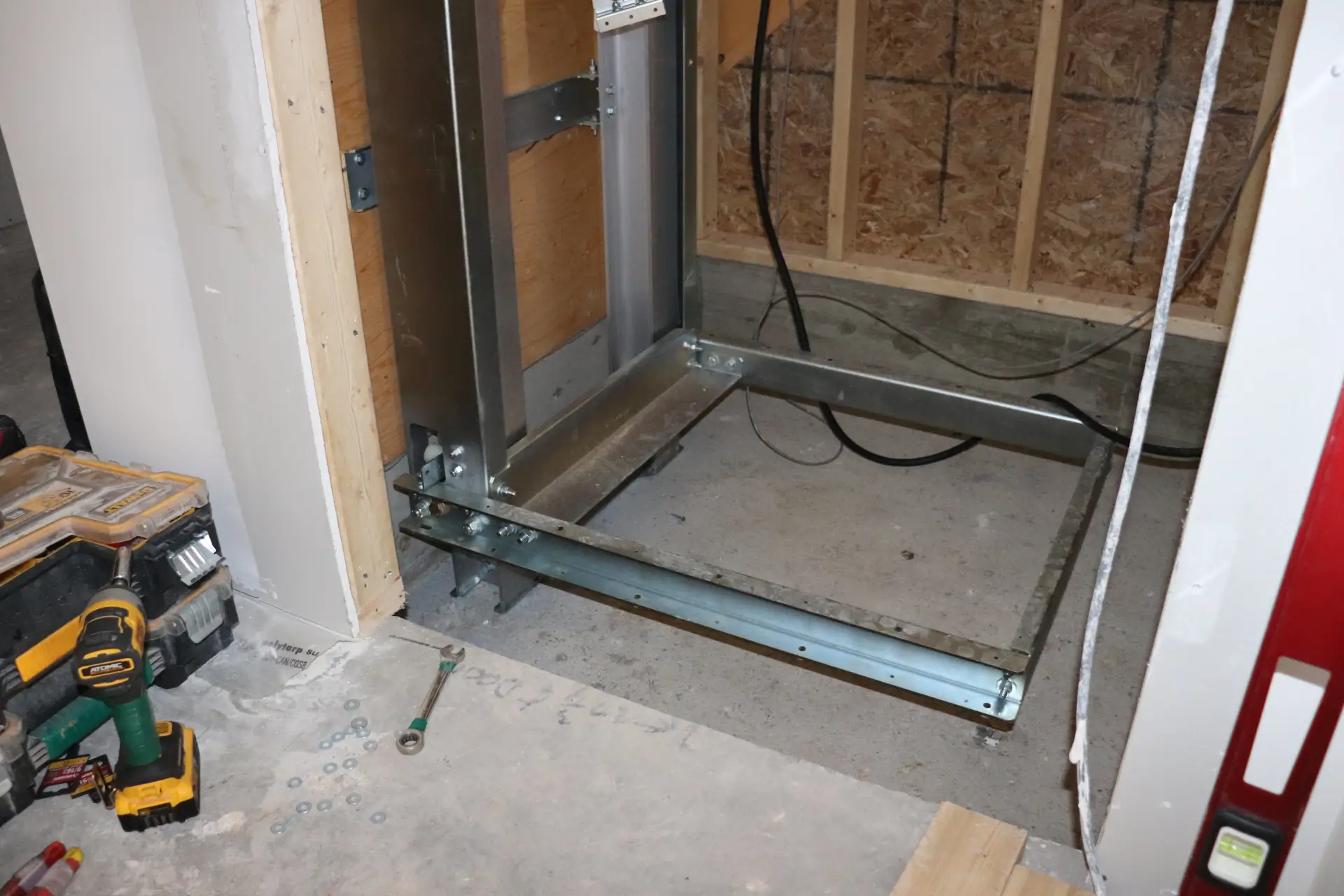
Correct installation, proper hoistway conditions, accurate alignment, and adherence to the manufacturer’s specifications all contribute to how the elevator performs over time.
The Operating Environment
Moisture, extreme temperatures, dust, and other environmental conditions can affect mechanical and electrical components.
Keeping the elevator environment within the conditions specified for the system can help protect its long-term performance.
How Quickly Small Problems Are Addressed
An unusual noise, repeated levelling issue, or recurring fault should not simply become “something the elevator does.”
Addressing changes early may prevent unnecessary wear on other components.
Will Parts Need to Be Replaced Before the Elevator Does?
Yes, and that is completely normal.
Think of it a bit like owning a car. The car itself may stay with you for many years, but it still needs regular servicing, maintenance, and occasional replacement parts to keep it running properly. A residential elevator is similar.
Batteries, door equipment, controls, seals, lighting, switches, and other components may require maintenance or replacement at different points in the elevator’s life.
This is an important distinction for buyers. Replacing a worn component after years of use does not mean the entire elevator has reached the end of its life. In many cases, ongoing servicing and component updates help keep the system performing reliably for years.
Think of the elevator as a long-term system that can be maintained and updated rather than a single appliance that must be discarded once one component wears out.
Can an Older Home Elevator Be Modernized?
Often, yes.
As an elevator gets older, modernization may make more sense than complete replacement.
Depending on the system and availability of compatible components, modernization can involve updating:
- Controllers
- Drive components
- Door equipment
- Safety systems
- Cab controls
- Lighting and finishes
Cambridge Elevating’s guide to residential elevator upgrades vs. replacement explains when updating an existing system may make sense and when replacement deserves consideration.
Modernization can also allow an older elevator to benefit from newer technology while retaining components that are still in good condition.
When Should You Start Thinking About Modernization?
Age alone should not make the decision.
It may be time to discuss modernization when:
- Service calls are becoming more frequent
- Important components are becoming obsolete
- Replacement parts are harder to source
- The elevator’s controls or technology are dated
- Your accessibility or household needs have changed
- A technician recommends significant component upgrades
An elevator that is 20 years old but well maintained may be in a very different condition from one of the same age that has received little attention.
How Often Should a Home Elevator Be Serviced?
There is no maintenance schedule that should be assumed for every elevator and every household.
Cambridge recommends regular professional inspection and maintenance according to the requirements for the specific system. Usage, operating conditions, local requirements, and the elevator itself can influence the appropriate service schedule.
For many residential applications, an annual professional inspection provides a useful baseline, while heavier-use installations may benefit from more frequent attention.
The important part is consistency rather than waiting until something stops working.
What Does Long-Term Service Look Like With Cambridge Elevating?
Buying a residential elevator is also the beginning of a long-term service relationship.
Cambridge Elevating directly services its local Ontario market and works through an authorized dealer network across North America. Installation and service personnel are factory-trained, helping ensure the elevator is maintained according to the manufacturer’s requirements.
Cambridge also provides a manufacturer’s limited warranty, with regular inspection and maintenance forming an important part of maintaining warranty coverage.
For homeowners, keeping service records and maintaining an ongoing relationship with Cambridge or an authorized dealer helps create continuity as the elevator ages.
A Home Elevator Is a Long-Term Part of the Home
For buyers wondering about home elevator lifespan, the most useful expectation is not a single number.
A well-designed and properly maintained elevator can serve a household for decades, with routine servicing and component updates helping it adapt over time. Cambridge’s own guidance places well-maintained hydraulic systems at around 20–25 years before major modernization may be needed, not necessarily full replacement.
That makes installation quality, maintainability, available service support, and the manufacturer behind the equipment just as important as the elevator’s specifications on day one.
Planning a residential elevator for your home?
Explore Cambridge Elevating’s home elevator models or connect with an authorized dealer to choose a system designed around both your needs today and the years ahead.